Call: 08045804961
 Send Inquiry
 Send Inquiry
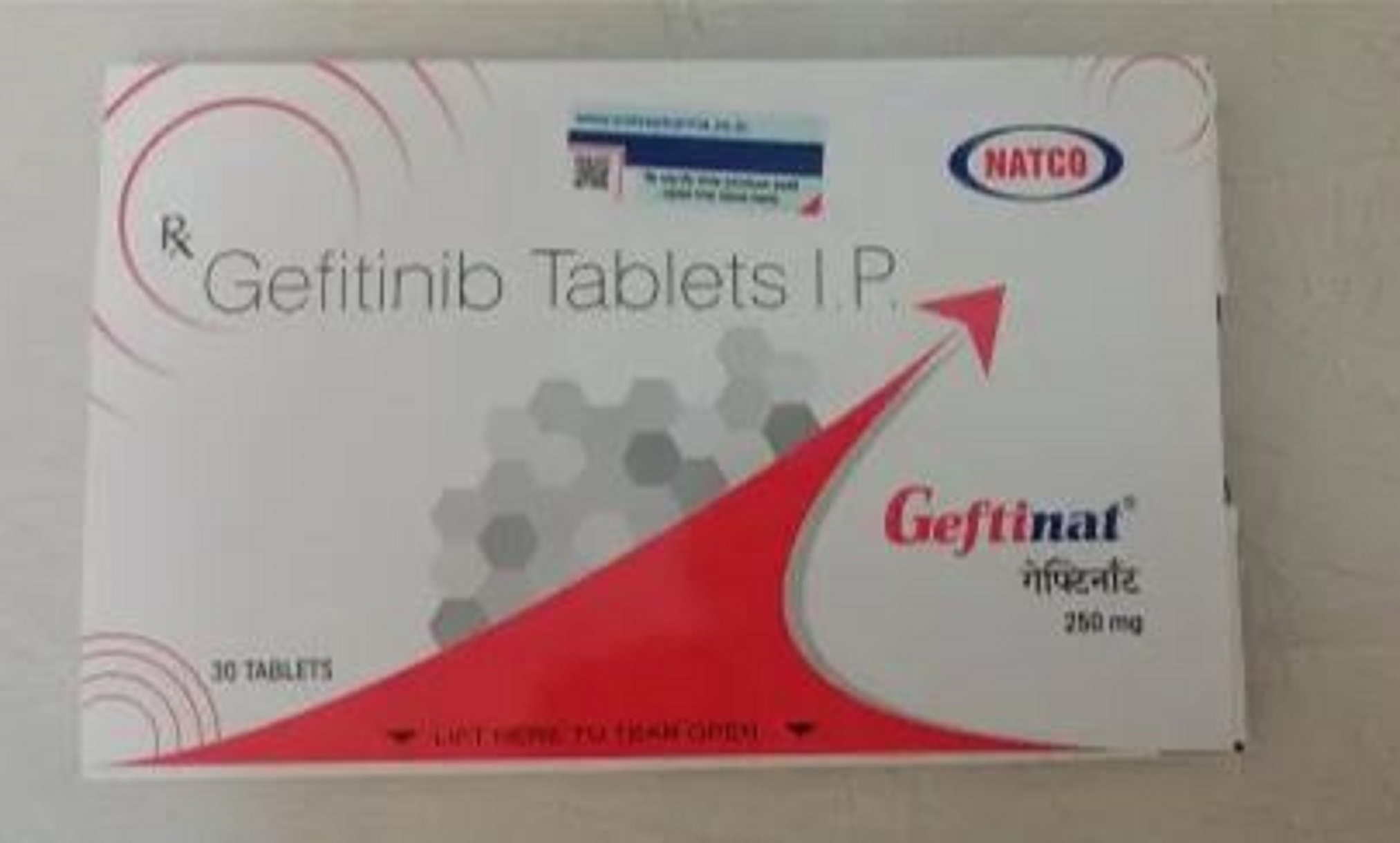
GEFTINAT GEFTINIB TABLETS IP
MOQ : 1 Strip
GEFTINAT GEFTINIB TABLETS IP Specification
- Dosage Form
- Tablet
- Salt Composition
- Gefitinib 250 mg
- Indication
- Non-Small Cell Lung Cancer (NSCLC)
- Enzyme Types
- Tyrosine Kinase Inhibitor
- Feature
- Oral targeted therapy, once-daily dosing
- Ingredients
- Gefitinib, Excipients
- Application
- Treatment of locally advanced or metastatic non-small cell lung cancer
- Physical Color/Texture
- White to off-white, film-coated tablets
- Fermentation Smell
- Odorless
- Enzymatic Activity
- Selective inhibition of EGFR tyrosine kinase
- Storage Instructions
- Store below 30C, protect from moisture and light
- Shelf Life
- 24 months
- Administration Route
- Oral
- Adverse Effects
- Rash, diarrhea, nausea, hepatic dysfunction
- Regulatory Status
- Approved by DCGI (India)
- Contraindications
- Hypersensitivity to Gefitinib
- Tablet Markings
- Imprinted with dosage strength
- Interactions
- Potential interaction with CYP3A4 inhibitors/inducers
- Therapeutic Class
- Antineoplastic agent
- Manufactured By
- Natco Pharma Ltd.
- Prescription Status
- Prescription Only
- Usage Instructions
- As directed by oncologist
- Pack Size
- 30 tablets per bottle
GEFTINAT GEFTINIB TABLETS IP Trade Information
- Minimum Order Quantity
- 1 Strip
- Packaging Details
- PACK OF 30 TABLETS
- Main Domestic Market
- All India
About GEFTINAT GEFTINIB TABLETS IP
Geftinat- Gefitinib
Geftinat contains gefitinib and belongs to a class of anti-cancer medications called epidermal growth factor receptor (EGFR) tyrosine kinase inhibitors.Geftinat is used for the treatment of non-small cell lung cancer.
Specification :-
- Brand name: Geftinat
- Contains: Gefitinib
- Strength: Geftinat 250 Mg
- Packing : 1 Bottle Of Geftinat Contains 30 Tablets
- Manufactured By : Natco
Note:Geftinat Is A Prescription Drug And Should Be Used Under Proper Medical Guidance And Advice. Do Not Share The Medicine With Others, Since They May Be Suffering From A Problem That Is Not Effectively Treated By This Drug.
Targeted Therapy for NSCLC
GEFTINAT is designed as an oral tyrosine kinase inhibitor specifically for non-small cell lung cancer, offering a convenient once-daily treatment. Its mechanism directly targets the EGFR protein, reducing tumor growth and improving treatment outcomes compared to conventional chemotherapy. Patients benefit from minimized systemic toxicity and easier administration.
Safe Administration and Usage
Gefitinib tablets should always be taken as prescribed by an oncologist. The oral route allows patients to take their medication at home, reducing hospital visits. Tablets are marked for clear identification, promoting accurate dosing. Patients must adhere strictly to usage instructions for optimum effectiveness and safety.
FAQs of GEFTINAT GEFTINIB TABLETS IP:
Q: How should GEFTINAT Gefitinib Tablets IP be taken for non-small cell lung cancer?
A: These tablets are intended for oral administration and should be taken once daily, exactly as directed by your oncologist. Do not adjust the dosage or discontinue use without consulting healthcare professionals.Q: What are the main benefits of using GEFTINAT for NSCLC treatment?
A: GEFTINAT offers targeted therapy by selectively inhibiting EGFR tyrosine kinase, frequently resulting in better outcomes and fewer side effects compared to conventional chemotherapy. Its oral form enables convenient at-home administration.Q: When should GEFTINAT not be used?
A: GEFTINAT is contraindicated in individuals with known hypersensitivity to Gefitinib or any tablet components. Notify your doctor immediately about any previous allergic reactions.Q: Where should I store GEFTINAT Gefitinib Tablets?
A: These tablets should be kept below 30C, away from moisture and direct light, and securely out of reach of children or pets. Proper storage helps preserve the medications efficacy within its 24-month shelf life.Q: What adverse effects can GEFTINAT cause and how are they managed?
A: Common adverse effects include rash, diarrhea, nausea, and hepatic dysfunction. Monitoring by your oncologist is essential to manage and address side effects swiftly. Inform your healthcare provider if you experience any unusual symptoms.Q: How does GEFTINAT interact with other medicines?
A: Gefitinib may interact with drugs affecting CYP3A4 enzyme activity such as inhibitors or inducers, possibly altering its effectiveness or increasing side effects. Share your complete medication list with your oncologist.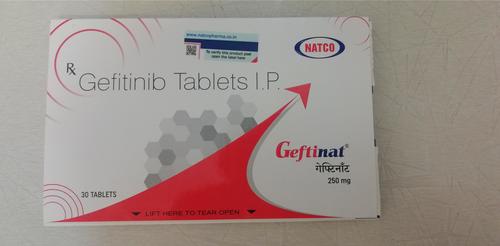
Tell us about your requirement

Price:
Quantity
Select Unit
- 50
- 100
- 200
- 250
- 500
- 1000+
Additional detail
Mobile number
Email

More Products in Geftinat Tablets Category
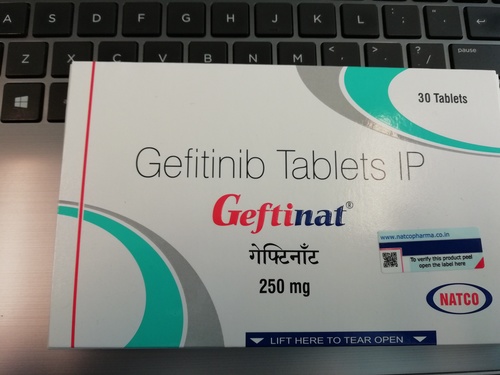
GEFTINAT 250MG GEFTINIB TABLETS IP
Salt Composition : Gefitinib 250mg
Dosage Form : Tablet
Shelf Life : 24 months
Storage Instructions : Store below 30C, protected from moisture and light
Ingredients : Other , Gefitinib
Fermentation Smell : Other, Odorless
GEFTINAT GEFTINIB TABLETS
Salt Composition : Gefitinib 250mg
Dosage Form : Tablet
Shelf Life : 24 months
Storage Instructions : Store in a cool, dry place below 30C. Protect from light and moisture.
Ingredients : Other , Gefitinib and excipients
Fermentation Smell : Other, Odorless
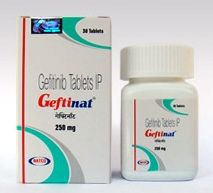
GEFTINAT NATCO
Salt Composition : Gefitinib 250mg
Dosage Form : Tablet
Shelf Life : 24 months
Storage Instructions : Store below 30C, protected from moisture
Ingredients : Other , Gefitinib
Fermentation Smell : Other, Odorless
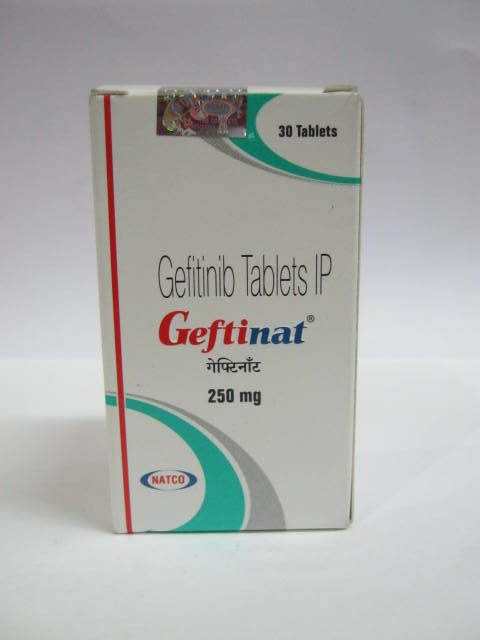
GETINAT 250 MG TABLETS
Salt Composition : Gefitinib 250 mg
Dosage Form : Tablet
Shelf Life : 24 months
Storage Instructions : Store below 30C, protect from moisture and light
Ingredients : Other , Gefitinib

Contact Details
RADHAKISHAN PHARMACEUTICALS
GST : 07AFIPJ3910R1Z2
- Shop No.1, Second Floor, Property No. 4634/1, Plot No-19, Ward No.11, Ansari Road, Daryaganj, Delhi - 110002, India
- Phone :08045804961
 Send Inquiry
Developed and Managed by Infocom Network Private Limited.
